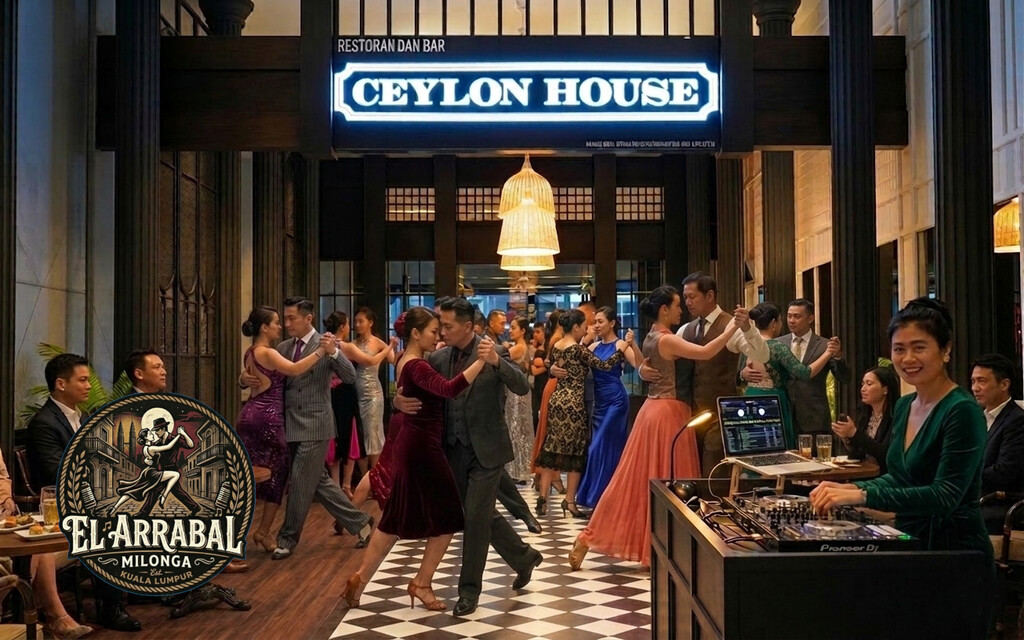
When you step into the world of Argentine tango, you quickly learn that the milonga is the beating heart of the community. It is the place where the music, the history, and the social ritual all collide.
Here is an article capturing what the milonga represents for tango dancers.
For the uninitiated, a milonga might look like just another dance party. But for the milongueros (dedicated tango dancers), it is something much deeper. It is a sanctuary, a ritual, and a place where a complex, unspoken language of connection is spoken through movement.
To enter a milonga is to step into a culture governed by its own unique rhythm and social laws.
A milonga is the physical space—a studio, a hall, or an outdoor plaza—where tango dancers gather to practice their art in a social setting. It is the classroom for the "real world" of tango. While lessons teach you the mechanics of the steps, the milonga teaches you the etiquette of the connection.
It is a place of community, where people from all walks of life—regardless of age, profession, or background—share a common, silent goal: to connect with another human being through the embrace of the dance.
The soul of the milonga lies in its códigos (codes)—a set of unwritten customs that have evolved over decades to ensure the dance floor remains a place of harmony and mutual respect
A milonga is often described in Buenos Aires as un cacho de vida—a "little piece of life." Within the room, time seems to suspend. There is the low hum of conversation, the careful preparation of shoes, the intense focus of the leaders navigating the floor, and the shared surrender of the followers.
It is a place where you are judged not by how many flashy tricks you can perform, but by how well you listen to your partner and the music. It is a space where the ego is left at the door, and the only thing that matters is the few minutes you spend in the embrace of another.
If you are planning to attend your first milonga, remember: you belong there.